

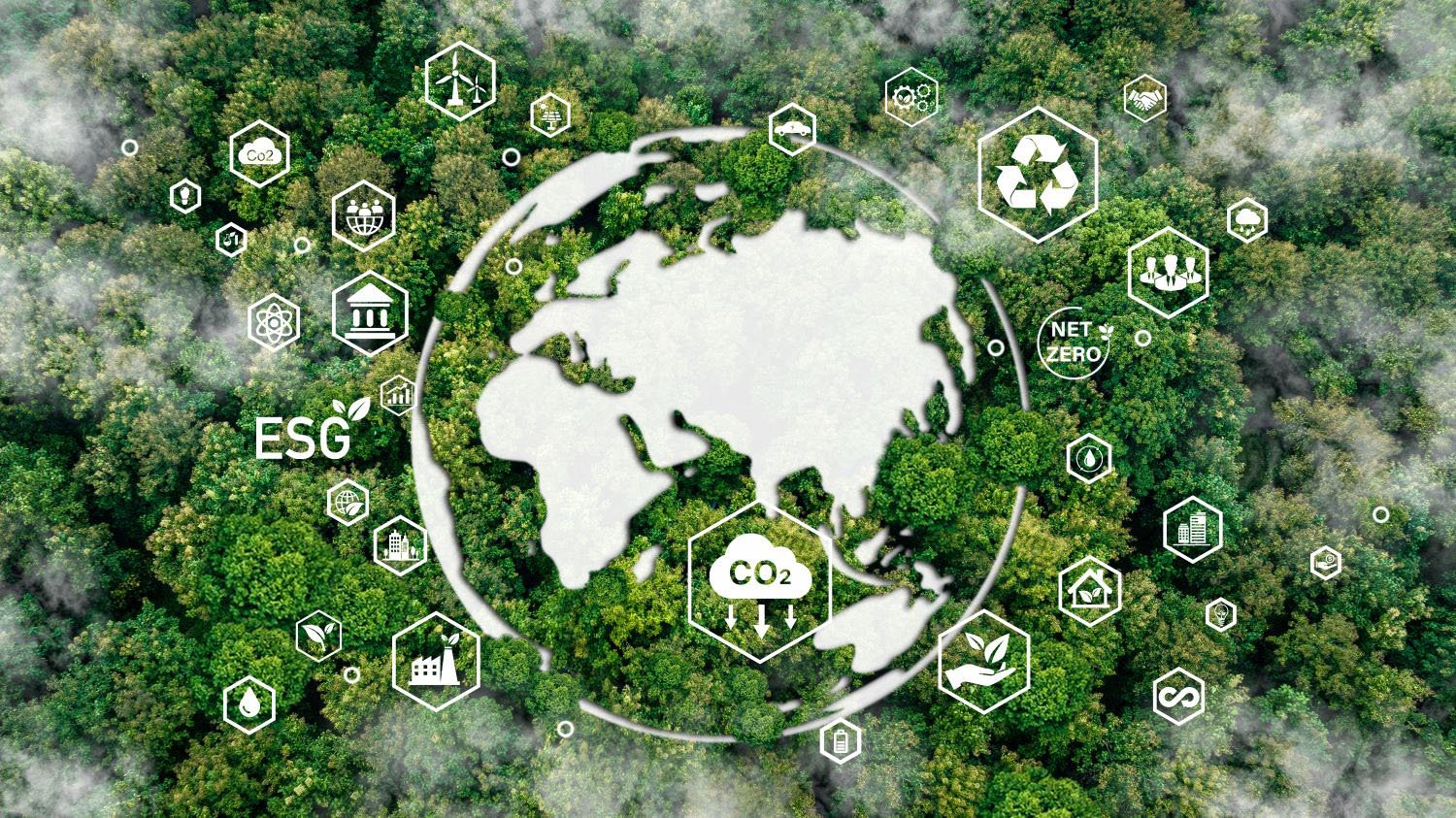
Climate change is a consequence of our actions, causing a chain reaction of shifts in the environment that includes heat waves getting stronger.
When climate activists and organizations speak on the importance of advancing climate resilience and initiatives, funding is a critical point of conversation. Climate finance is a focal point in strategizing climate adaptation and mitigation but for many groups - especially youth groups - they’re left out of opportunities for decision-making and discussion. Youth groups play a major role as stakeholders and driving forces that will in the future develop strategies and solutions for climate resilience. Climate resilience cannot be fully achieved without factoring in younger generations who are at the forefront of the climate crisis and will also lead future initiatives.
Recently, the effects of climate change on the world's water supplies have become more noticeable. The delicate balance of our water systems is being drastically changed as global temperatures rise, precipitation patterns change and extreme weather events increase in frequency and severity. According to C40 knowledge hub, more drought-related disasters have occurred since 2000 than in the preceding two decades, and at least 79 megacities have experienced severe water shortages.
Germany struggles to bury the remains of its nuclear past
In the days following Fukashima, German chancellor Angela Merkel made the decision to decommission all existing nuclear power plants in Germany. But in the midst of the country’s energy transition, a burning question remains — what should be done with the nuclear waste?
Over 78,000,000 acres (15 billion trees (approx.)) of rainforests are being burned annually; this is equal to 200,000 acres of land (41 million trees) being burned every day